
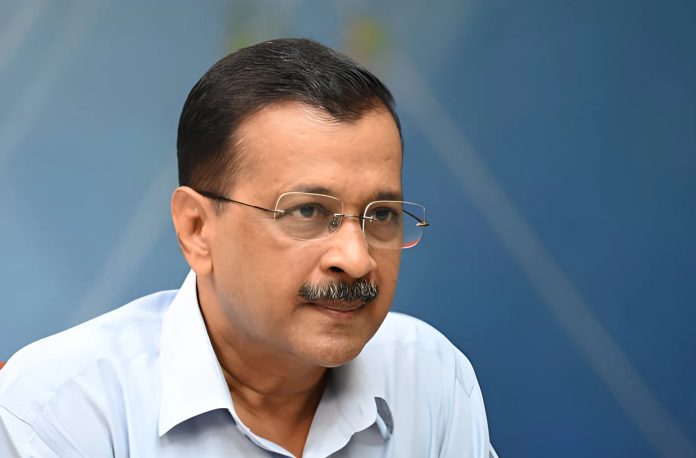
The Delhi High Court has issued a fresh notice to Arvind Kejriwal, the Chief Minister of Delhi and Aam Aadmi Party (AAP) chief, regarding pleas from the Enforcement Directorate (ED) challenging his acquittal in connection with two separate cases. These cases charge him with failing to comply with summonses from the agency related to the controversial excise policy.
On Wednesday, Justice Swarana Kanta Sharma noted that the registry reported the prior notice sent to Kejriwal had not been served. The ED’s legal representative asserted that the initial notice was issued to the former Chief Minister on April 1, but his counsel did not appear in court.
“The registry reports that (he is) not served. I will issue a fresh notice. Respondent has not been served,” the judge stated, scheduling the next hearing for July 22. The ED has claimed in its complaints to the trial court that Kejriwal intentionally disobeyed the summonses by not participating in the investigation.
The prosecution alleges that Kejriwal raised trivial objections, thus creating grounds to avoid attending the inquiry. In previous submissions, the ED’s advocate argued that the trial court made a significant mistake by acquitting the AAP leader, stating there was no dispute that the summons was duly issued and acknowledged. Still, he failed to appear before the agency.
On January 22, the trial court ruled that the ED had not successfully shown that Kejriwal intentionally disobeyed the summonses. The court stated, “Neither the service of summons through emails has been proved by the ED nor has the process of issuing summons to any person under Section 50(2) of the Prevention of Money Laundering Act (PMLA) via email been established as lawful.”
The ED contends that other accused individuals in the case had communicated with Kejriwal while formulating the now-scrapped excise policy, which reportedly led to unwarranted benefits for them and illicit funding for the AAP.
At this moment, Kejriwal remains on interim bail in the ongoing money laundering investigation. The Supreme Court recently referred matters pertaining to the “need and necessity of arrest” under the PMLA to a larger bench for thorough review.
Earlier, on February 27, the trial court discharged Kejriwal, former Deputy Chief Minister Manish Sisodia, and 21 others in the liquor policy case, stating that the Central Bureau of Investigation’s (CBI) charge could not withstand judicial examination and was fundamentally flawed.
The CBI has sought to challenge the discharge, and its plea is currently pending in the Delhi High Court.
This ongoing case has brought significant attention, raising questions about legal accountability and the implications for political figures in the realms of governance and policy-making in India.


